

Menu
Older children
The first weeks after older-child adoption: make room to settle in.
By Jared Ballard & Tricia Ballard · November 15, 2026 · Updated November 16, 2026 · 4 minute read
Parent perspectives with AI-assisted writing and source links. About our experience and limitations.
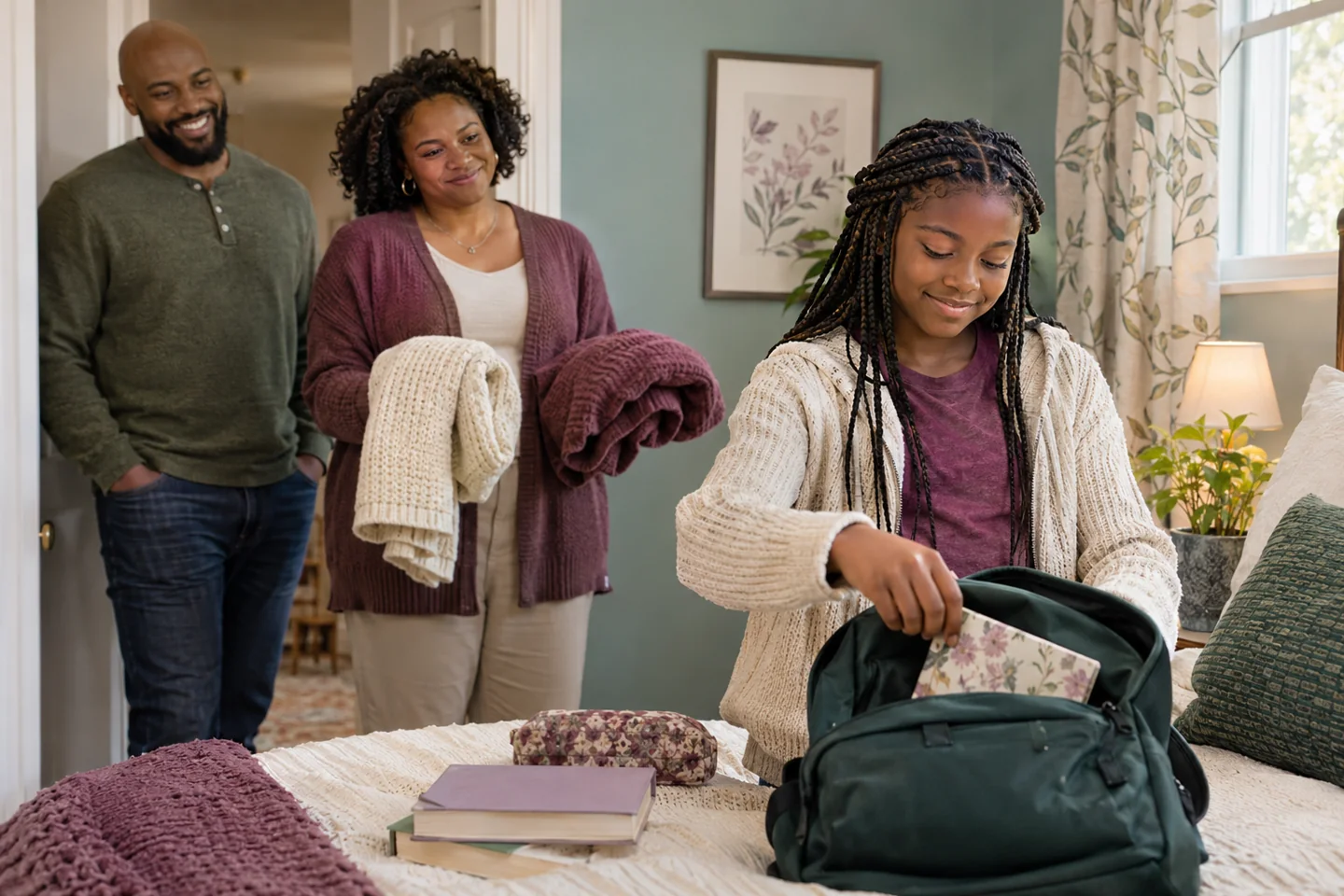
Start here: A quieter welcome can leave more space for the child’s routines and preferences.
When we picture welcoming a child, we want to remember that our excitement may not be the child’s main feeling. We are offering a parent perspective here, not recounting an older-child placement of our own. A quieter welcome may leave more room for the person arriving.
Learn what already works
We would want to ask the child’s team about the small things that already work: familiar food, bedtime routines, important belongings, and the people the child misses. We do not want a welcome to sweep those things aside.
Before placement, ask about familiar foods, bedtime routines, calming activities, and important belongings. Where appropriate, let the child help plan which routines to keep. Do not assume that everything needs to be replaced to make the home feel like yours.
Reduce unnecessary introductions
A suggested approach is to explain to relatives that visits will follow the child’s needs and the team’s guidance. Adults can show support with meals or errands without expecting immediate access, photographs, or affection.
Offer manageable choices
Ask about small preferences without handing over decisions that belong to adults. “Would you like a tour now or after lunch?” may be easier to answer than “What do you want your new life to be like?” Keep promises realistic and follow through on what you say.
Expect to keep adjusting
AdoptUSKids notes that placement affects existing family relationships and that transitions should be individualized. A calm week does not mean support is unnecessary; a difficult week does not define the future.
Keep a support conversation going
Make a list of the professionals who remain involved, how to contact them, and which questions each can answer. Ask the child how you can make ordinary days more comfortable, without expecting them to solve every difficulty.
We would rather offer a home that can become familiar than expect instant closeness. Our hope is that the first weeks leave room for adjustment, honest questions, and support that continues beyond the welcome.
Questions you may have
What can help during the first weeks after placement?
Work with the placement team on familiar routines, manageable choices, introductions, and an individualized transition plan.
Should a child be expected to show affection immediately?
Do not use affection as a test. Relationships need time, respect, and support tailored to the child.
Sources & further reading
Sources checked November 15, 2026. Written with AI assistance for the named authors. Not clinically or legally reviewed.
Keep exploring
Be part of the beginning
Stay informed about availability.
Participant tools are in development. Availability depends on state-specific legal and operational review. Leave your email and we’ll let you know when ConnectAdopt is ready.
No opening date has been set. This is a launch-interest list, not an adoption application.