
Menu
Disabilities & support
Adopting a child with disabilities: understand the person and the support.
By Jared Ballard & Tricia Ballard · November 15, 2026 · Updated November 16, 2026 · 4 minute read
Parent perspectives with AI-assisted writing and source links. About our experience and limitations.
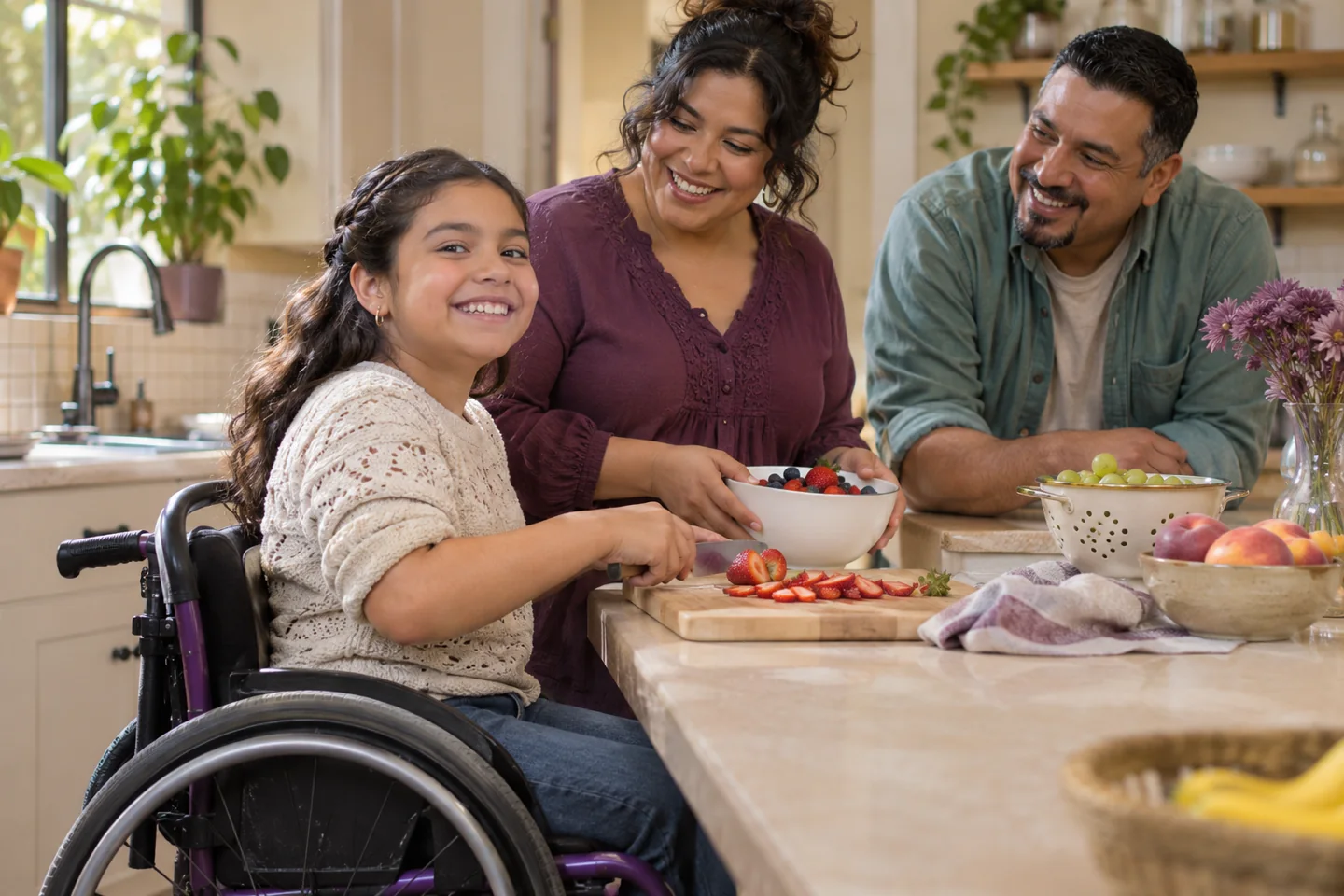
Start here: A label cannot tell you everything a child enjoys, needs, or may become.
We want to understand a child’s care needs without letting a diagnosis become the whole introduction. As parents, we care about the person: what they enjoy, how they communicate, who matters to them, and what makes daily life work.
Clarify the words being used
We would ask professionals to help us separate what is known from what is uncertain. We do not want either hope or fear to replace a realistic plan for the particular child.
In adoption assistance, “special needs” can be an eligibility term with meanings beyond a medical diagnosis. AdoptUSKids and the Children’s Bureau explain that it may refer to several placement-related factors. Ask what the term means in the particular record or program you are discussing.
Ask for an individualized picture
Work through appropriate professional channels to understand available medical and developmental information. Ask qualified clinicians what is known, what remains uncertain, and what evaluations or ongoing care may be needed. Avoid treating either the most optimistic or the most frightening prediction as a guarantee.
Map daily life
- Which appointments, therapies, or supports are currently in place?
- What communication or accessibility arrangements help?
- What training would caregivers need?
- Which local providers are actually accepting patients?
- How would work, transportation, and childcare fit together?
Discuss resources before assuming coverage
Ask the relevant agency and qualified benefits professionals about eligibility, agreements, insurance, and out-of-pocket costs. Written confirmation matters. Adoption assistance is not identical for every child or family.
Keep dignity in the preparation
Do not make a child’s diagnosis the public explanation for your adoption. Learn the person’s preferred language as they are able to express it, protect private information, and remain open to changing needs.
For us, preparation should protect dignity as well as arrange care. We want to be honest about our responsibilities, careful with private information, and willing to keep adapting as a child’s needs change.
Questions you may have
Does special needs always mean a medical disability?
No. In adoption assistance it can be an eligibility term covering multiple factors. Ask what it means in the specific program.
How can prospective parents understand care needs?
Review available information through proper channels and consult qualified professionals about care, uncertainty, and local support.
Sources & further reading
Sources checked November 15, 2026. Written with AI assistance for the named authors. Not clinically or legally reviewed.
Keep exploring
Be part of the beginning
Stay informed about availability.
Participant tools are in development. Availability depends on state-specific legal and operational review. Leave your email and we’ll let you know when ConnectAdopt is ready.
No opening date has been set. This is a launch-interest list, not an adoption application.